
The effort to establish “socialist internationalism” as a cornerstone of the German Democratic Republic’s (GDR) foreign policy gave rise to a wide range of transcultural contacts, exchanges and encounters. This commitment found particularly vivid expression in the GDR’s relationship with the Socialist Republic of Vietnam, the so-called “brother nation”, whose struggle for liberation during the Vietnam War prompted widespread declarations of solidarity and inspired a variety of artistic productions. At the same time, the presence and creative practices of Vietnamese art students and contract workers left a lasting mark on the GDR’s cultural sphere. A closer examination of these relationships, however, reveals complex networks shaped by power structures, reciprocal empowerment, cultural ascriptions, and the interplay between freedom and constraint.
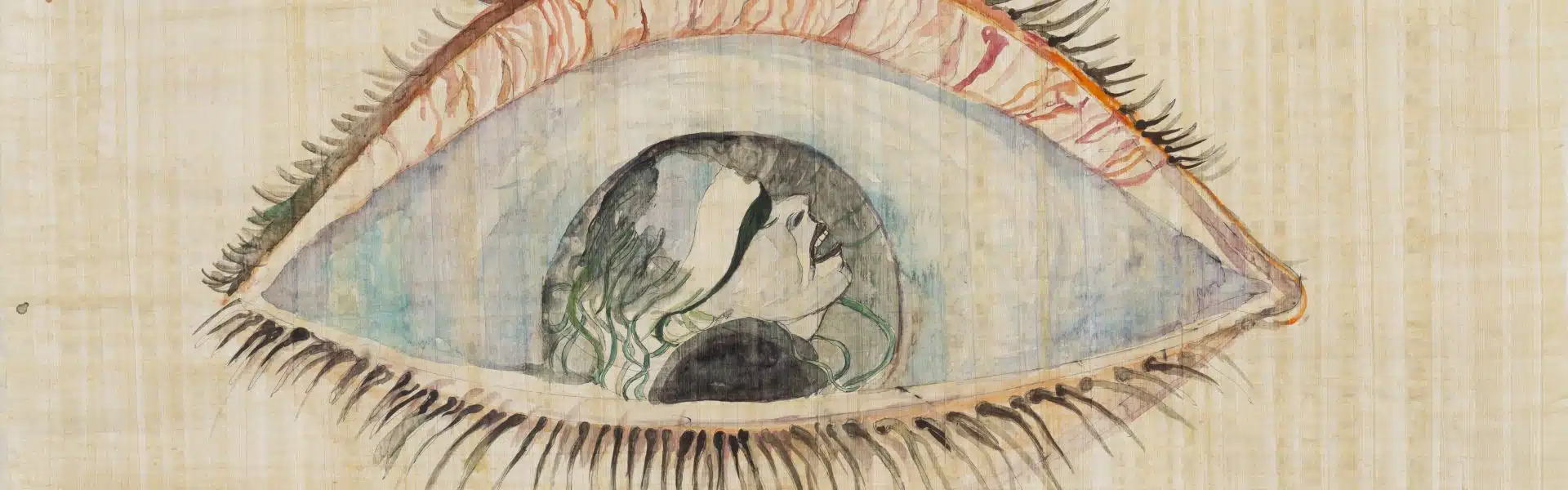
The exhibition explores the artistic and cultural exchange between the GDR and Vietnam from the 1950s through to the end of the GDR in 1990, as well as its reverberations in contemporary art. At its heart lies the question of how socialist solidarity, ideological projections and personal encounters were reflected in art, design and everyday culture—and how Vietnamese and German artists translated these experiences into aesthetic, emotional and biographical forms. The exhibition opens on 9 September as part of Berlin Art Week and will be on view until 6 December 2026 at the Stiftung Kunstforum Berliner Volksbank.